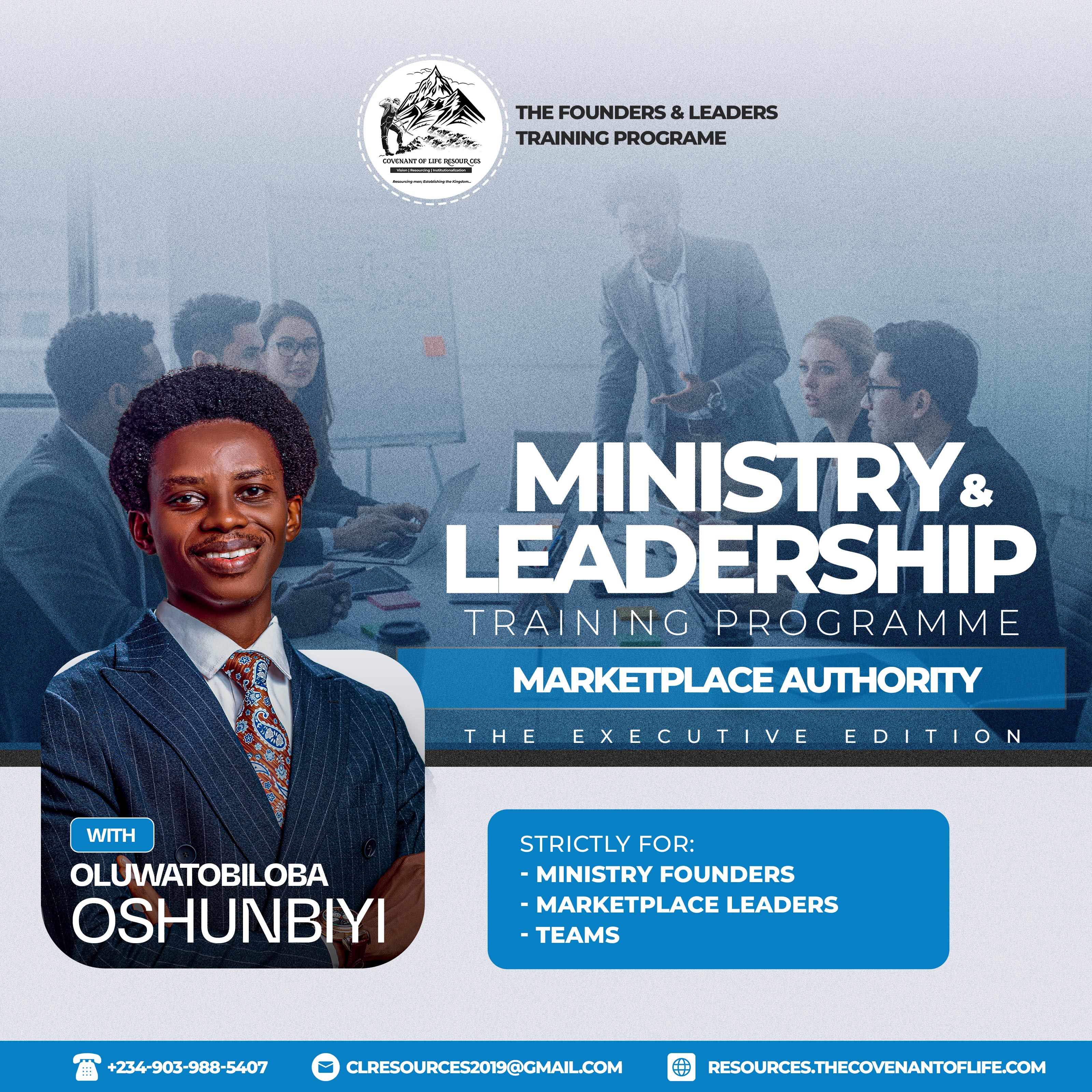
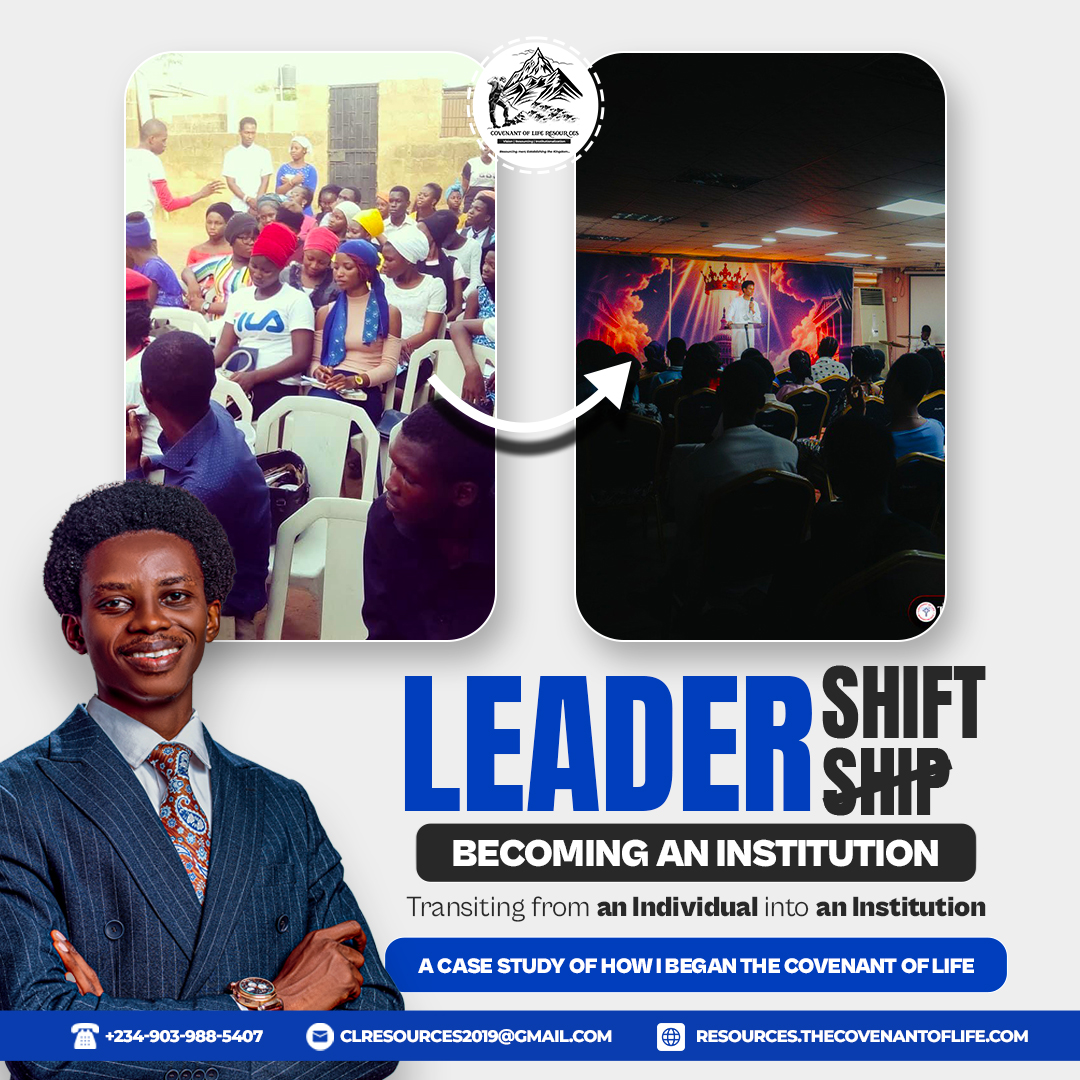
Coming from our seminar page where outcomes and audiences are defined — Training leads to improved proficiency in a job function — and — Training audiences are often specific teams, departments, or professionals needing new capabilities.
Originates from the 15th-century Middle English trainen — to draw, drag, or pull — derived from Old French traîner and Latin trahere.
The meaning evolved from "dragging" to "drawing out" (shaping/educating) and by the 1830s, to disciplined exercise.
By the 1540s, it came to mean "to discipline, teach, or bring to a desired state" — as noted in the Online Etymology Dictionary.
Railway Misconception: While it is a "train," the word has no direct connection to locomotives; the transportation meaning began in the early 19th century.
We believe that investing in the growth and development of yourself, your leadership and team is the key to unlocking the full potential of your institution and her significance in this ever competing world. This is why our ever dynamic trainings and events are designed to partner with and help make your institution shine bright in a crowded marketplace(Industry/Sphere).

Our Goal
- Using Our seasoned and seasonal trainings and events as solutions designed to enhance your journey in your individual or corporate life.
- Help build teams from scratch
- Help grow and develop existing teams

Our Events
- Founders & Leaders Training Programme [FLTP]
- The CEO/Founders Coaching Programme
- The Loyalty Programme — for Co-founders & Partners

Our Focus
- Institutions (Companies / Organizations)
- Marketplace Ministries
- Not-For-Profits (Traditional & Christian Ministries)